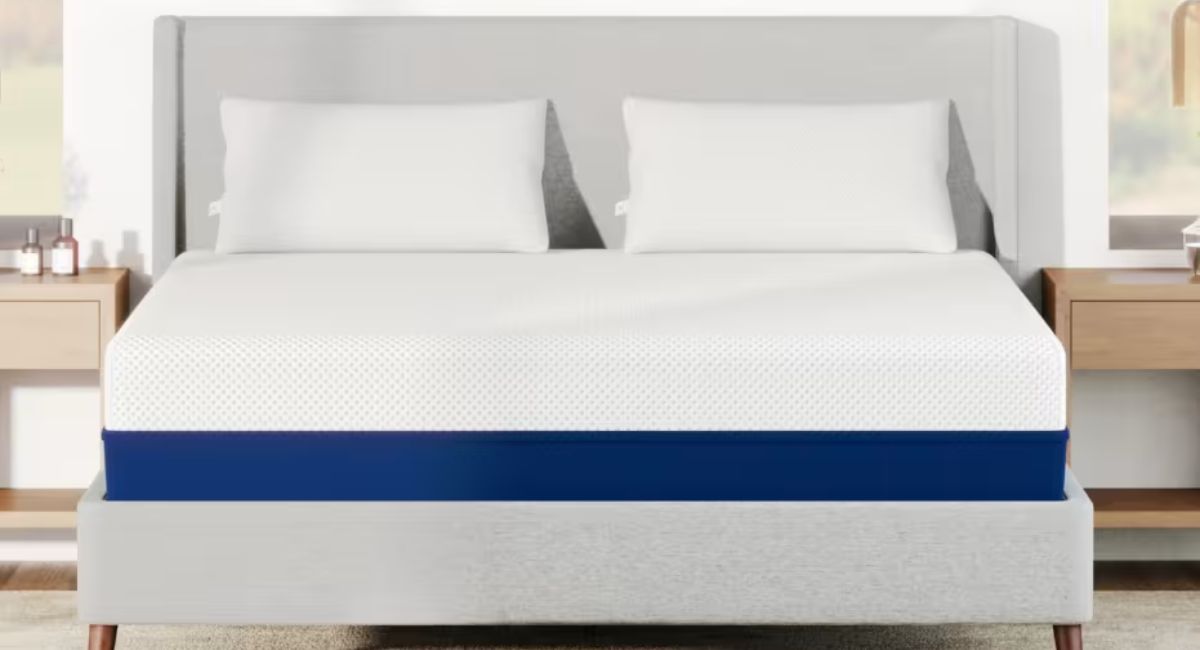
Struggling to wake up refreshed? The problem might not be your schedule or stress — it could be what you’re sleeping on. Choosing the right mattress is one of the most impactful decisions you can make for your health, energy levels, and overall well-being.
Yet most people spend more time picking a smartphone than a mattress they’ll use for the next decade.
This guide breaks down everything you need to know — from sleep positions and firmness levels to mattress materials, trial periods, and budget — so you can make a confident, informed choice and finally start sleeping better.
Also Read: Queenstown Deck Building in 2026: Your Complete Guide to Outdoor Living Done Right
Understanding Your Sleep Position
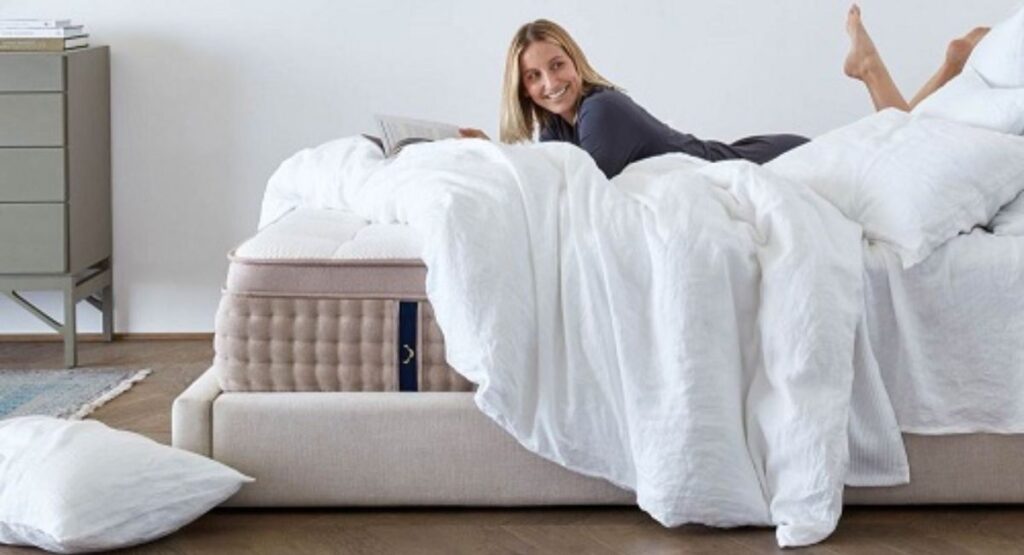
Your preferred sleep position is the single most important factor in determining which mattress is right for you. Different positions place pressure on different parts of the body, so the same mattress can feel supportive to one person and painful to another.
Side Sleepers
Side sleepers put significant pressure on the shoulders and hips. A soft to medium-soft mattress works best here — it cushions those pressure points and keeps the spine properly aligned. A surface that’s too firm will push back against the hips and shoulders, causing discomfort over time.
Back Sleepers
Back sleepers need a balance of comfort and support. A medium to medium-firm mattress is generally ideal, as it supports the natural curve of the lower back without causing the hips to sink too deeply. A mattress that’s too soft can misalign the spine and lead to chronic back pain.
Stomach Sleepers
Stomach sleeping puts the most strain on the neck and lower back. A firm mattress is recommended because it prevents the midsection from sinking in, which would arch the spine unnaturally. Soft mattresses can actually worsen back discomfort for stomach sleepers.
Combination Sleepers
If you move between positions throughout the night, look for a medium-firm hybrid mattress with some responsiveness. The key quality here is ease of movement — you don’t want to feel “stuck” when you switch positions.
Firmness Levels and Their Importance
Firmness is often misunderstood. It’s not just about comfort — it’s about spinal alignment, pressure relief, and how your body weight is distributed across the sleep surface. Most mattresses are rated on a 1 to 10 scale, where 1 is extremely soft and 10 is rock hard. Most sleepers do best somewhere in the 4–7 range.
| Firmness Level | Best For | Description |
| Soft (1–3) | Side sleepers, lighter body weights | Plush feel, deep contouring |
| Medium (4–6) | Combination sleepers, couples | Balanced support and comfort |
| Medium-Firm (6–7) | Back sleepers, average weight | Supportive with modest cushioning |
| Firm (7–9) | Stomach sleepers, heavier body weights | Minimal sinkage, strong support |
Body weight also plays a role. Sleepers over 230 lbs tend to sink deeper into a mattress, so they often benefit from a firmer option to maintain proper spinal alignment. Lighter sleepers may find firm mattresses don’t offer enough contouring and may prefer something softer.
Evaluating Mattress Materials
The construction of a mattress shapes how it feels, how long it lasts, and how well it performs in areas like temperature regulation and motion isolation. Here’s a clear breakdown of the five main mattress types:
Memory Foam
Memory foam conforms closely to the body, offering excellent pressure relief and motion isolation. It’s a strong choice for people with joint pain or those who share a bed with a restless partner. The main downside? Traditional memory foam can trap heat — look for gel-infused or open-cell foam versions if you sleep warm.
Innerspring
Innerspring mattresses use a steel coil system for support. They have a traditional bouncy feel, sleep cooler than foam, and are generally more affordable. However, they tend to have less motion isolation and may not contour as well to the body’s curves.
Hybrid
Hybrid mattresses combine a coil support system with foam or latex comfort layers. They offer the best of both worlds — the responsiveness and airflow of springs with the pressure relief of foam. They’re a great all-around option for most sleepers.
Latex
Latex is a naturally derived material that is durable, breathable, and responsive. It offers good pressure relief without the “sinking” sensation of memory foam. Latex is also naturally hypoallergenic and resistant to dust mites — a strong advantage for allergy sufferers.
Airbed
Airbeds use air chambers as their core support system. The firmness can be adjusted at any time using a remote or app, making them popular among couples with different comfort preferences. They tend to be the priciest option but offer the highest level of customization.
The Impact of Motion Isolation
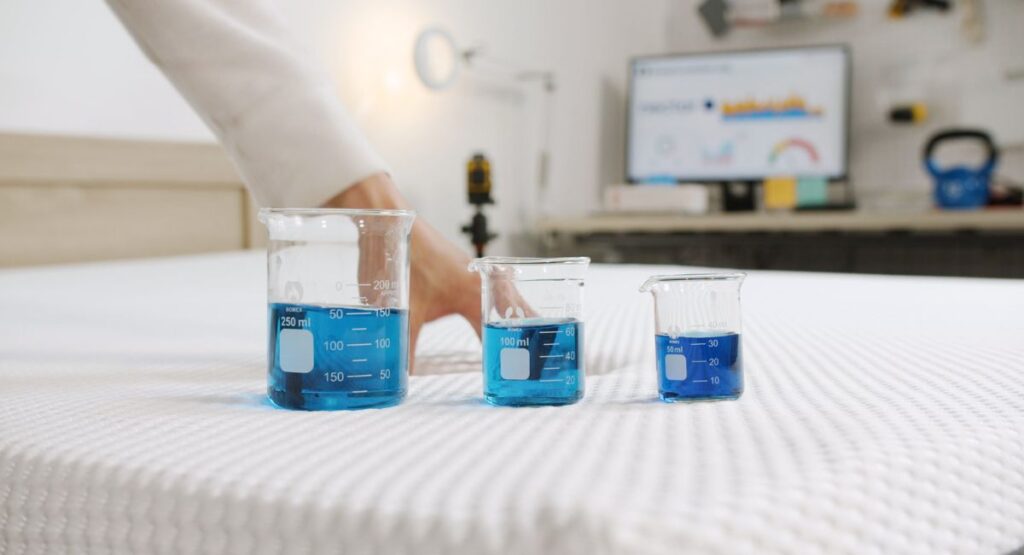
If you share your bed, motion isolation is not a feature you can afford to ignore. Motion isolation refers to how well a mattress absorbs movement so that one sleeper’s shifting, turning, or getting up doesn’t disturb the other.
- Memory foam leads in this category — it absorbs motion extremely well
- Latex offers moderate motion isolation with more bounce
- Innerspring mattresses transfer the most motion due to interconnected coils
- Hybrid models vary depending on coil type; pocketed coils perform better than interconnected ones
If your partner is an early riser or a restless sleeper, prioritize motion isolation to protect your own sleep quality.
Trial Periods and Return Policies
A mattress can feel very different after a week of actual sleep than it does during a five-minute store test. That’s why trial periods matter. Most reputable online mattress brands now offer sleep trials ranging from 90 to 365 nights, allowing you to test the mattress in your own home before committing.
Before purchasing, check for the following:
- Length of trial period — Look for at least 90 nights; 100 to 120 is common and preferable
- Return process — Is it free? Do they arrange pickup? Is there a restocking fee?
- Break-in period — Some brands require you to sleep on the mattress for 30 days before initiating a return, to allow your body time to adjust
- Warranty terms — A quality mattress should come with a 10-year warranty at minimum; some premium brands offer 15 to 25 years
Never buy a mattress from a retailer that doesn’t offer a clear trial period. A good trial is a sign of a brand’s confidence in their product — and protects your investment if the mattress doesn’t work for you.
Read More: Best Tropical Palms and Ferns for Warm Climates: A Complete Grower’s Guide
Budget Considerations
Mattress prices vary enormously — from a few hundred dollars to well over $5,000. While you don’t need to spend a fortune, buying the cheapest available option often leads to disappointment in comfort and durability.
| Budget Range | What to Expect |
| Under $500 | Basic innerspring or entry-level foam; shorter lifespan |
| $500–$1,000 | Good quality foam or hybrid; suitable for most sleepers |
| $1,000–$2,000 | Premium hybrid or latex; better durability and features |
| $2,000+ | Luxury materials, advanced cooling, customizable firmness |
A few tips to get the most value:
- Shop during major sales events like Memorial Day, Labor Day, and Black Friday — mattress brands often offer 20–40% discounts
- Look at direct-to-consumer brands online — they often offer better quality-to-price ratios than traditional retail stores
- Consider the cost per night — a $1,200 mattress used for 10 years costs roughly 33 cents per night
Think of a quality mattress as an investment in your health, not just a furniture purchase.
Customization and Additional Features
Modern mattresses often come with features that go well beyond basic support. Depending on your specific needs, these extras can make a significant difference:
- Cooling technology: Gel-infused foams, copper-infused layers, breathable covers, and phase-change materials help regulate body temperature — essential for hot sleepers
- Zoned support: Some mattresses are constructed with different firmness levels in different zones (softer around shoulders, firmer at the hips/lumbar) for more precise spinal alignment
- Edge support: Reinforced perimeter coils or foam prevent the edges from collapsing — useful if you sit on the side of the bed or sleep near the edge
- Adjustable firmness: Dual-chamber airbeds allow each side of the bed to be set independently — ideal for couples with very different comfort needs
- Removable, washable covers: Hygienic and easy to maintain, especially for allergy-sensitive sleepers
- Hypoallergenic materials: Latex and certain foam types are naturally resistant to allergens, mold, and dust mites
Make a short list of the features that matter most to you before shopping — this will quickly narrow down your options.
Conclusion
Choosing the right mattress doesn’t have to be overwhelming. Start with your sleep position, then match it to the right firmness level. From there, evaluate mattress materials based on your priorities — whether that’s cooling, motion isolation, pressure relief, or durability. Use a sleep trial to test your choice risk-free, and be realistic about your budget without skimping on quality.
The right mattress won’t just feel comfortable — it will support your posture, reduce aches and pains, and help you wake up feeling genuinely rested every morning. That kind of sleep is worth investing in.
FAQs
What is the best mattress type for back pain?
A medium-firm hybrid or latex mattress is generally best for back pain — it supports spinal alignment while offering enough cushioning to relieve pressure points.
How often should I replace my mattress?
Most experts recommend replacing a mattress every 7 to 10 years, depending on materials and wear.
Is a firm mattress better for your back?
Not always — a mattress that is too firm can cause pressure buildup. The ideal firmness depends on your sleep position and body weight.
What mattress is best for side sleepers?
Side sleepers typically do best on a soft to medium mattress that cushions the shoulders and hips while keeping the spine aligned.
Are memory foam mattresses good for hot sleepers?
Traditional memory foam can trap heat, but modern versions with gel infusions or open-cell construction sleep significantly cooler.
- Visit InfozCelebritys for more blogs.

I’m Muhammad Zeeshan – a guest posting and content writing expert with 4 years of experience.