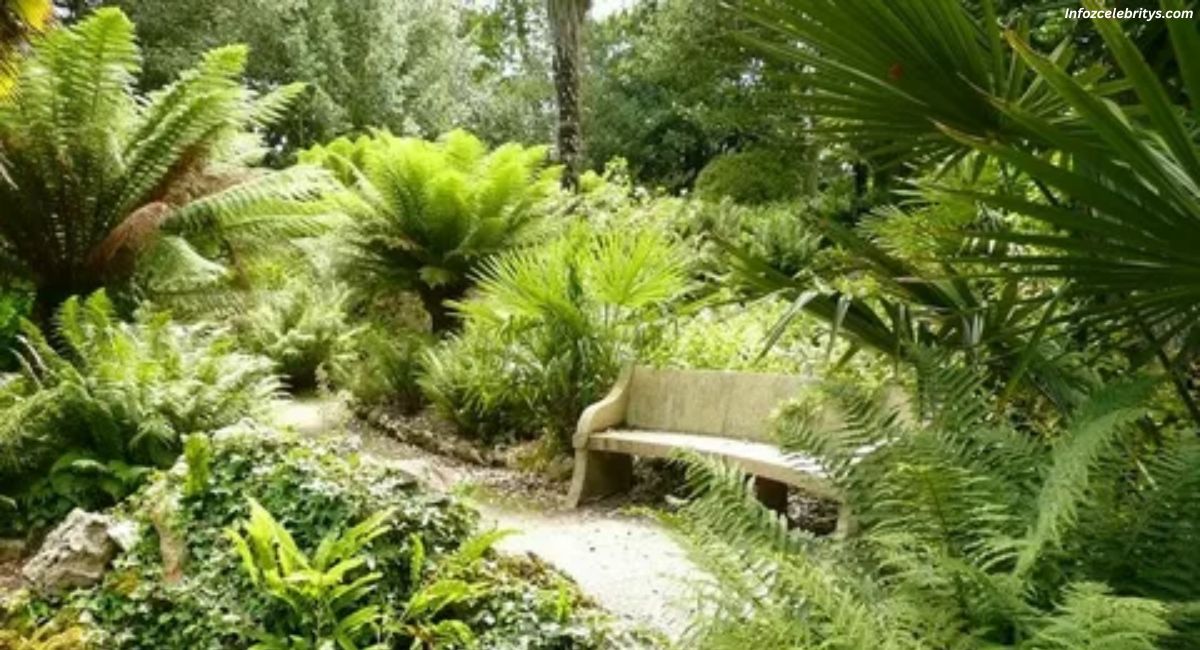
If you live in a warm, sunny region and want to turn your outdoor space into a lush, tropical paradise, the right plants make all the difference. Palms and tropical ferns are among the most visually dramatic choices you can make for your garden — they bring that distinctive warm-climate look that no other plant category can match.
But not every species thrives equally in heat and humidity. Some demand full sun, others prefer filtered shade. Some grow tall and wide; others stay compact and container-friendly.
This guide covers 10 top tropical palms and ferns that genuinely flourish in warm climates, with practical care tips, growth details, and key facts for each.
Quick Comparison: 10 Tropical Palms and Ferns at a Glance
| Plant | Mature Height | Sun Requirement | Water Needs | Best For |
| Foxtail Palm | 25–30 ft | Full sun | Moderate–High | Landscape focal point |
| Areca Palm | 15–25 ft | Partial to full sun | Moderate | Privacy screening |
| Queen Palm | 40–50 ft | Full sun | Moderate | Large gardens |
| Lady Palm | 4–12 ft | Low to medium indirect | Low–Moderate | Indoors & patios |
| Sago Palm | 6–10 ft | Sun to partial shade | Low–Moderate | Architectural accent |
| Bird of Paradise | 3–6 ft | Full sun | Moderate | Flower color |
| Boston Fern | 2–3 ft | Bright indirect | High | Hanging baskets |
| Elephant Ear | 4–9 ft | Partial shade | High | Bold foliage |
| Golden Penda | 20–35 ft | Full sun | Moderate | Flowering canopy tree |
| Cassowary Palm | Up to 65 ft | Full sun | Moderate–High | Large tropical gardens |
1. Foxtail Palm (Wodyetia bifurcata)
The Foxtail Palm is one of the most visually striking ornamental palms in the world. Native to Queensland, Australia, it gets its name from its thick, bushy fronds that fan out in all directions — resembling the tail of a fox. Its smooth, self-cleaning gray trunk gives landscapes a tidy, polished look without constant maintenance.
Why It Thrives in Warm Climates: Foxtail Palms love tropical heat and humidity. They grow best in USDA zones 10–11 and struggle in prolonged cold. They reach 25–30 feet at maturity and are fast growers with the right care.
Care Tips:
- Plant in full sun with well-draining soil
- Water twice weekly in hot periods; reduce in cooler months
- Feed with a slow-release palm fertilizer every 3 months
- Self-cleaning trunk means minimal pruning needed
Best Used For: Poolside landscaping, driveway lining, resort-style gardens, and commercial properties seeking a refined tropical aesthetic.
2. Areca Palm (Dypsis lutescens)
Also known as the Butterfly Palm or Golden Cane Palm, the Areca Palm is one of the most popular tropical palms worldwide — and for good reason. Its multiple golden-green canes and feathery, arching fronds create a bamboo-like tropical screen that’s practically impossible to dislike.
Why It Thrives in Warm Climates: Native to Madagascar, Areca Palms prefer partial shade to full sun and thrive in warm, humid conditions. They grow 15–25 feet outdoors and adapt well to containers for indoor settings.
Care Tips:
- Water 2–3 times weekly during summer and spring; avoid overwatering
- Apply liquid fertilizer during spring and summer
- Prune yellow or brown fronds with clean scissors
- Keep protected from temperatures below 30°F
Best Used For: Privacy hedges, garden borders, coastal properties, and indoor tropical décor.
3. Queen Palm (Syagrus romanzoffiana)
The Queen Palm is a landscape staple across Florida, California, and other warm-climate regions. Its graceful, arching feather fronds sit atop a smooth, gray trunk that can reach 40–50 feet — giving any garden an instant elegant, tropical character.
Why It Thrives in Warm Climates: Queen Palms are fast growers in USDA zones 9–11 and thrive in consistent warmth and moderate moisture. They dislike extended frost but handle coastal conditions well.
Care Tips:
- Requires regular fertilization to prevent yellowing (manganese deficiency is common)
- Prefers well-drained soil with consistent moisture
- Plant in full sun; tolerates brief cold snaps
- Water weekly during growing season, every 2 weeks in cooler months
Best Used For: Residential and commercial landscapes, avenue plantings, and focal trees in large tropical gardens.
4. Lady Palm (Rhapis excelsa)
Don’t let the Lady Palm’s delicate appearance fool you — this is one of the most adaptable and forgiving palms you can grow. Native to Asia, it features slender bamboo-like canes and dark green, fan-shaped leaves that look equally stunning indoors or on a shaded patio.
Why It Thrives in Warm Climates: Lady Palms tolerate low light, moderate humidity, and even dry indoor air. They grow 4–6 feet indoors and up to 10–12 feet outdoors, making them versatile for tight spaces.
Care Tips:
- Thrives in low to medium indirect light — ideal for shaded patios
- Non-toxic to pets (a significant advantage)
- Grows well in rich, well-draining potting soil
- Slow grower; minimal pruning required
Best Used For: Indoor décor, shaded garden corners, container gardening, and office spaces.
5. Sago Palm (Cycas revoluta)
Technically a cycad, not a true palm, the Sago Palm is one of the oldest living plant species on Earth — with relatives dating back to the age of dinosaurs. Its rosette of glossy, dark green pinnate fronds and thick, rugged trunk give it an almost prehistoric architectural quality.
Why It Thrives in Warm Climates: Sago Palms are impressively tolerant. They handle drought, poor soil, and temperatures down to the low 20s°F once established. They thrive in USDA zones 8–11 in sun to partial shade.
Care Tips:
- Plant in well-draining sandy or loamy soil
- Water moderately; overwatering causes root rot
- Slow-growing — adds 3–4 inches per year
- ⚠️ Caution: All parts are highly toxic to pets and humans if ingested
Best Used For: Accent planting, container gardening, drought-resistant landscapes, and architectural garden design.
6. Bird of Paradise (Strelitzia reginae)
While technically a flowering perennial rather than a palm, the Bird of Paradise is a warm-climate icon. Named for its extraordinary orange and blue blooms that resemble an exotic tropical bird in flight, this plant brings both drama and color to any sunny garden.
Why It Thrives in Warm Climates: Native to South Africa, it loves full sun and warmth. It thrives in USDA zones 9–12 and blooms most prolifically in well-lit, warm conditions with moderate watering.
Care Tips:
- Plant in full sun for best flowering
- Water moderately; allow soil to dry slightly between waterings
- Divide clumps every few years to encourage blooming
- Cold-sensitive below 24°F; bring indoors in borderline climates
Best Used For: Garden borders, containers, tropical-themed flower beds, and cut flower arrangements.
7. Boston Fern (Nephrolepis exaltata)
The Boston Fern — also called the Sword Fern — is a tropical classic. With its feathery, lush, cascading fronds, it’s one of the most popular hanging basket and indoor plants worldwide. Native to the tropical forests and wetlands of North and Central America, the Caribbean, and parts of South America, it carries genuine rainforest credentials.
Why It Thrives in Warm Climates: In warm, humid climates, Boston Ferns can grow outdoors year-round in shaded, protected areas. With stable temperatures and adequate humidity, they maintain their lush appearance continuously.
Care Tips:
- Needs bright, indirect light — about 5 feet from a south-facing window indoors
- Keep soil consistently moist; never allow it to dry out completely
- High humidity is essential — place near kitchens or bathrooms, or use a pebble tray
- Fertilize with diluted liquid fertilizer during the growing season
Best Used For: Hanging baskets, elevated planters, shaded porches, and indoor tropical displays.
8. Elephant Ear Plant (Colocasia esculenta)
Few plants command attention quite like the Elephant Ear. Its enormous, heart-shaped leaves — which can grow up to 3 feet wide — create an instant bold, tropical statement. Native to Southeast Asia and widely cultivated across tropical regions, it’s as dramatic as it gets in the garden.
Why It Thrives in Warm Climates: Elephant Ears love heat and moisture. They thrive in USDA zones 8–11, preferring partial shade in hotter climates to prevent leaf scorch. They grow 4–9 feet tall under good conditions.
Care Tips:
- Needs consistently moist soil — ideal near ponds or water features
- Prefers partial shade in peak summer heat
- Feed with a balanced fertilizer monthly during growing season
- Lift and store tubers in colder areas over winter
Best Used For: Water gardens, bold tropical borders, poolside plantings, and dramatic garden focal points.
9. Golden Penda (Xanthostemon chrysanthus)
The Golden Penda is a standout choice for those wanting a flowering tropical tree rather than just foliage. Native to Queensland, Australia, it produces spectacular golden-yellow flower clusters and provides a dense, spreading canopy that brings pollinators and visual wow-factor in equal measure.
Why It Thrives in Warm Climates: Golden Penda thrives in tropical and subtropical climates in USDA zones 10–12. It prefers full sun, well-draining soil, and moderate watering once established. It is particularly popular in Queensland and northern Australia.
Care Tips:
- Plant in full sun for maximum flowering
- Water regularly during establishment; drought-tolerant once mature
- Minimal pruning needed; naturally maintains a neat canopy
- Attracts birds and pollinators — excellent for biodiversity
Best Used For: Street trees, large garden canopy trees, parks, and tropical urban landscaping.
10. Cassowary Palm (Corypha elata)
The Cassowary Palm — also called the Gebang Palm — is one of the most dramatic palms in the tropical world. It can tower up to 65 feet tall and produces what is considered one of the largest flowering structures of any plant on Earth before it dies after its one and only bloom — a botanical event called monocarpy.
Why It Thrives in Warm Climates: Native to Southeast Asia and northern Australia, it thrives in tropical climates with high rainfall and warmth. It suits USDA zone 11+ and needs significant space to grow.
Care Tips:
- Requires full sun and deep, well-draining soil
- Water moderately once established
- Not suitable for small gardens — needs ample open space
- Extremely long-lived before its single, spectacular bloom
Best Used For: Large tropical estates, botanical gardens, parks, and statement installations in open tropical landscapes.
Conclusion
Warm climates open up a world of possibility for gardeners who love dramatic, lush tropical plants. Whether you’re after the refined height of a Queen Palm, the lush groundcover drama of an Elephant Ear, the cascading elegance of a Boston Fern, or the once-in-a-lifetime spectacle of a Cassowary Palm, there is a plant in this list for every vision and every space. Start with what suits your sun exposure, soil type, and available space — and let your tropical garden take shape from there.
FAQs
Which tropical palm is best for small gardens?
The Lady Palm or Sago Palm are ideal — both stay compact, tolerate container growing, and don’t require much space to look stunning.
Can I grow Boston Ferns outdoors in warm climates?
Yes. In warm, humid climates, Boston Ferns thrive outdoors year-round in shaded, protected spots with consistently moist soil.
Is the Sago Palm safe for pets?
No. The Sago Palm is highly toxic to both pets and humans if ingested — all parts of the plant contain dangerous cycasin compounds.
How often should I water an Areca Palm?
Water 2–3 times weekly during summer and spring. Reduce frequency in cooler months and always avoid waterlogged soil.
What is the fastest-growing tropical palm?
The Foxtail Palm and Queen Palm are among the fastest-growing, particularly in tropical or subtropical environments with good sun and regular fertilization.

I’m Muhammad Zeeshan – a guest posting and content writing expert with 4 years of experience.