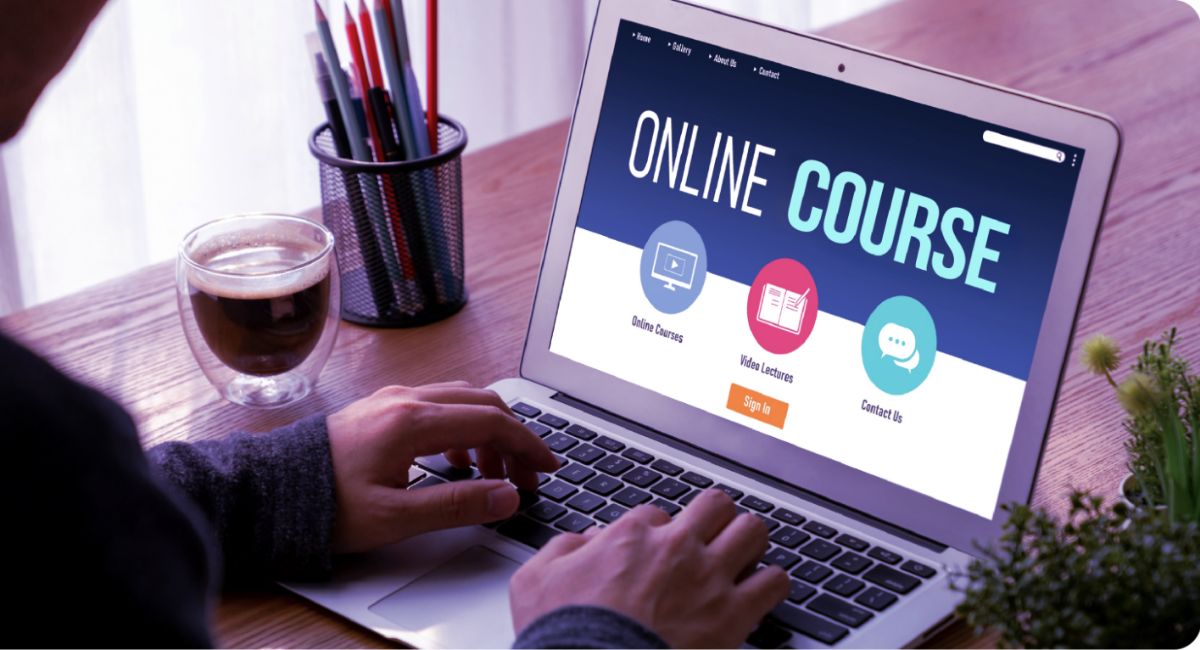
Online learning has changed dramatically over the last decade. What once required thousands of dollars in tuition — or at least a long commute to a classroom — can now be accessed from a phone, a laptop, or a tablet, often for less than the cost of a restaurant meal. Yet despite this shift, a persistent question lingers: Can affordable online courses actually deliver real, usable skills?
The short answer is yes. But it takes a clear-eyed look at what these platforms truly offer, how they maintain quality, and why so many people still confuse low prices with low value.
What These Platforms Actually Offer
The eLearning industry is one of the fastest-growing sectors in digital education. Valued at $7.5 billion in 2024, it is projected to reach nearly $20 billion by 2033. The growth isn’t driven by hype — it’s driven by demand from working professionals, career changers, students, and lifelong learners who need flexible, affordable access to skill-building content.
Here’s what the major affordable online learning platforms typically offer:
Course Variety and Accessibility
Platforms like Udemy, Skillshare, Coursera, and edX collectively host hundreds of thousands of courses spanning everything from coding and data science to photography, language learning, and business management. Udemy alone boasts over 250,000 courses and more than 75 million learners globally.
The variety matters. A mid-career professional looking to upskill in Python doesn’t need the same product as a freelance designer exploring illustration techniques. Affordable platforms serve both — and everyone in between.
Pricing Models Compared
| Platform | Pricing Model | Starting Cost | Notable Feature |
| Udemy | Pay-per-course | $10–$200 (frequent sales ~$10–$20) | Lifetime access |
| Skillshare | Subscription | ~$8/month (annual plan) | Project-based learning |
| Coursera | Free audit + paid certificates | Free to audit; $49+/month | University partnerships |
| edX | Free audit + paid certificates | Free to audit; varies | Harvard/MIT courses |
| Codecademy | Subscription | ~$15/month (annual) | Interactive coding only |
| LinkedIn Learning | Subscription | ~$40/month | Career-focused paths |
What Learners Actually Get
Most reputable affordable platforms provide:
- Video-based lessons taught by practitioners, educators, and industry experts
- Downloadable resources including PDFs, templates, and project files
- Quizzes and assignments to reinforce comprehension
- Community forums and Q&A sections for peer and instructor interaction
- Completion certificates that can be shared on LinkedIn or added to a résumé
- Lifetime access (on platforms like Udemy) so learners can revisit material whenever needed
- Progress tracking to help learners stay accountable to their goals
- Mobile apps for learning on the go
Why People Often Mistake Low Prices for a Scam
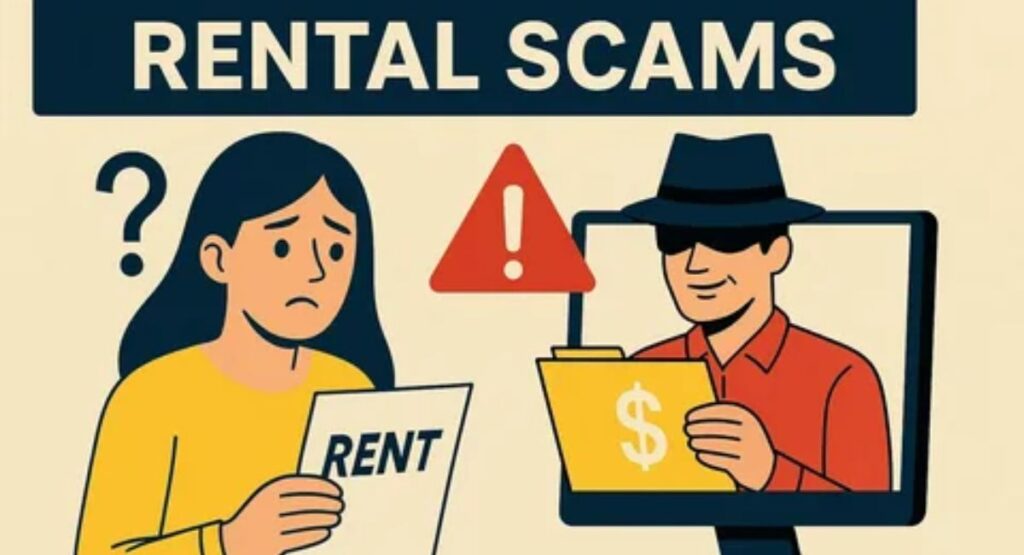
The skepticism is understandable — and it has roots in real problems that exist on the internet. When something valuable is sold at a surprisingly low price, human instinct kicks in and asks: What’s the catch?
The History of Online Course Fraud
The course space has had its share of bad actors. Common red flags that legitimate platforms are not guilty of include:
- Unrealistic promises — guaranteeing high incomes, rapid expertise, or “secret strategies” that no established educator would promise
- Fake guru marketing — self-proclaimed experts with no verifiable credentials or track record
- Hidden upsells — advertising low entry prices but pressuring learners into expensive add-ons post-enrollment
- Fabricated testimonials — stock-photo reviews and paid feedback designed to look authentic
- High-pressure sales tactics — artificial scarcity countdowns and aggressive enrollment deadlines
- Pirated content — some shady sites sell stolen course material from legitimate creators at extremely low prices, exposing buyers to legal risk
These practices exist. But they are not characteristic of established, reputable platforms. Conflating the two is a common and costly mistake.
Why Established Platforms Can Legitimately Charge Less
There’s a logical reason major platforms offer courses at prices that might seem surprisingly low. The economics of digital content work differently from physical products:
- Zero marginal cost — once a course is recorded, there’s no cost to serving the 10,000th student the same as the first
- Scale revenue — platforms like Udemy make money by processing millions of transactions; a single course selling at $15 to thousands of students is profitable
- Instructor-marketplace model — instructors supply the content, so platforms don’t incur production costs
- Competitive pricing — heavy competition keeps prices honest and learner-friendly
The pricing model isn’t a red flag. It’s a business model built on volume — and it works for both learners and creators.
How the Platform Ensures Real, Usable Content
This is the question that matters most: How do you know you’re getting something worth learning from?
Instructor Vetting and Review Processes
Not every platform operates identically, but established ones maintain standards:
- Coursera partners exclusively with accredited universities and institutions, including Harvard, MIT, Stanford, and Google. Every course goes through a rigorous institutional review before appearing on the platform.
- edX follows a similar model — founded by Harvard and MIT, it requires all course partners to meet academic standards before publishing.
- Udemy requires instructors to submit courses for review before they go live. While critics note the platform can’t individually audit over 200,000 courses in depth, their community rating system serves as a real-time quality filter.
- Skillshare maintains editorial teams that curate featured content, and their community-driven format encourages quality through ratings and engagement.
Community Ratings as Quality Control
On platforms like Udemy and Skillshare, star ratings and written reviews from thousands of verified purchasers function as a powerful, crowdsourced quality mechanism. Before enrolling, learners can:
- View the average star rating (typically on a scale of 1–5)
- Read detailed written reviews from verified buyers
- Preview free course samples before committing
- Check the instructor’s credentials, teaching history, and response rate
This transparency doesn’t eliminate poor-quality courses, but it makes them easy to identify and avoid.
Refund Policies That Back Up the Promise
A critical trust signal for any online course platform is its refund policy. Udemy’s 30-day money-back guarantee, for example, means learners can enroll, sample the content, and get a full refund if it doesn’t meet their expectations — no lengthy forms, no awkward conversations.
This kind of policy signals confidence in the product. Scam operations don’t offer them.
Certificates with Practical Value
Many learners enroll specifically for verifiable proof of learning. Completion certificates on platforms like Coursera (especially those tied to university programs or Google Career Certificates) are increasingly recognized by employers as credible signals of skill development. LinkedIn Learning certificates integrate directly with user profiles, making professional visibility seamless.
What Real Users Say
Across forums like Reddit and Quora, and on review platforms like Trustpilot and G2, the consensus on reputable affordable online learning platforms is nuanced but largely positive.
Common praise includes:
- Flexibility — the ability to learn at one’s own pace without fixed schedules
- Affordability — particularly during Udemy’s frequent sales, where courses regularly drop to under $15
- Practical content — many reviewers note that project-based and skills-focused courses translate directly to real-world tasks
- Lifetime access — learners appreciate being able to return to course material months or years later as they advance in their careers
Common criticisms are also worth acknowledging:
- Variable instructor quality — on open-marketplace platforms, some instructors are more polished than others
- Outdated content — in fast-moving fields like technology, some courses age quickly if instructors don’t update them
- No formal accreditation — platforms like Udemy are not accredited by educational bodies, which can matter for academic or licensing purposes
The takeaway from user feedback is consistent: the value is real, but it requires doing a small amount of research before enrolling. Reading reviews, checking instructor credentials, and previewing free content takes about five minutes — and it makes all the difference.
Conclusion
Affordable online courses are not a compromise. They’re a product of a digital economy that has figured out how to deliver genuine educational value at scale — and pass those savings on to learners. The skepticism that equates low price with low quality made more sense before platforms like Udemy crossed 75 million users, before Coursera partnered with hundreds of universities, and before millions of people successfully changed careers using skills they picked up through a $12 course.
The key is knowing how to evaluate what you’re enrolling in. Read the reviews. Check the instructor. Preview the content. Use the refund window if needed. When you approach online learning that way, the value becomes obvious — and the concern about being scammed fades quickly.
For anyone looking to upskill, pivot professionally, or simply learn something new without breaking the bank, the affordable online learning landscape in 2026 is more legitimate, more varied, and more learner-friendly than it has ever been.
FAQs
Are cheap online courses actually worth the money?
Yes — on reputable platforms like Udemy, Coursera, and Skillshare, affordable courses regularly deliver practical, job-relevant skills backed by thousands of verified learner reviews and solid refund guarantees.
How do I know if an online course is legitimate and not a scam?
Look for transparent curricula, verified instructor credentials, genuine student reviews, free preview content, and a clear refund policy — legitimate platforms provide all of these upfront.
Why are online courses so cheap on platforms like Udemy?
Digital content has near-zero marginal delivery cost, meaning platforms can serve millions of learners without increasing expenses — those savings translate directly into lower prices for students.
Do affordable online courses offer certificates?
Yes — most platforms offer completion certificates, and some like Coursera and edX offer accredited certificates tied to university or employer-recognized programs that carry real professional weight.
What is the difference between free and paid online courses?
Free courses typically audit-only access with no certificate; paid versions add assessments, graded projects, instructor feedback, certification, and sometimes career support tools.

I’m Muhammad Zeeshan – a guest posting and content writing expert with 4 years of experience.