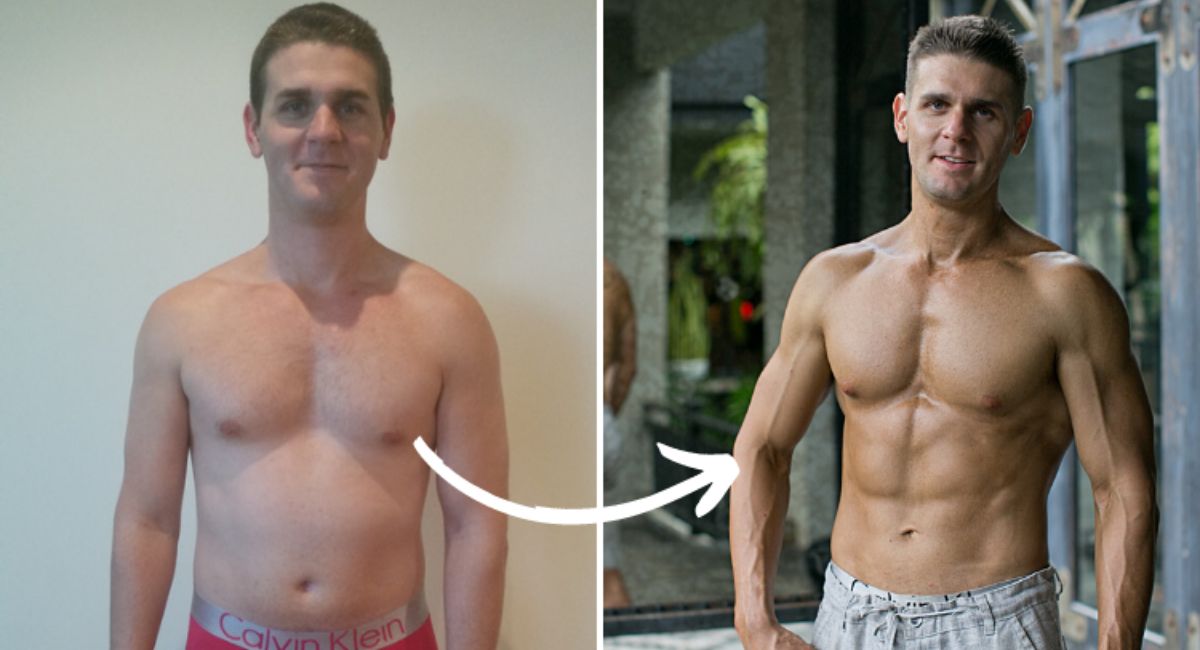
Body recomposition, like losing body fat but keeping, or even pushing up lean muscle, has been kinda the main thing people chase in fitness , for athletes, and for anyone who is focused on physique. Lately, in this whole area, two different lanes have gotten a lot of attention , and they might even work together in some cases.
First there are Selective Androgen Receptor Modulators (SARMs) and then there are these next-generation metabolic peptides, like Retatrutide . People usually talk about SARMs as the option for muscle holding and anabolic-ish effects, but Retatrutide feels like it’s showing up as a more serious instrument for fat loss and overall metabolic tuning.
This article kinda digs into how mixing SARMs with Retatrutide could end up being a synergistic way for body recomposition, sort of like getting better tissue changes with less guesswork.
It also goes over the science behind each one, what potential benefits people look for, and the key considerations you really should keep in mind. And yeah, the interest around things like buy Retatrutide and buy Retatrutide uk has been rising steadily, even if some folks act like it’s all straightforward, but it’s not.
Understanding Body Recomposition
Body recomposition — the simultaneous process of losing fat while building or preserving lean muscle — is widely regarded as the holy grail of physique transformation. Unlike traditional bulking and cutting cycles, recomposition demands that your body operate in two opposing metabolic states at the same time.
This is physiologically challenging, particularly for intermediate and advanced athletes whose bodies have already adapted to training stimulus.
Achieving true recomposition requires precision: a tightly managed caloric environment, high protein intake, consistent resistance training, optimized recovery, and — increasingly discussed in 2026 — strategic use of advanced compounds. Two of the most talked-about categories in this space are Selective Androgen Receptor Modulators (SARMs) and next-generation metabolic peptides like Retatrutide.
What Are SARMs?
Selective Androgen Receptor Modulators are compounds designed to selectively bind to androgen receptors in muscle and bone tissue. Unlike traditional anabolic steroids, SARMs aim to minimize activity in tissues like the prostate or skin, resulting in less water retention, fewer side effects, and cleaner gains.
Some of the most studied SARMs in the recomposition context include:
| SARM | Primary Benefit | Best Use Phase |
| RAD-140 (Testolone) | Near-steroid anabolic activity | Recomposition / Lean Bulk |
| MK-2866 (Ostarine) | Muscle preservation, anti-catabolic | Cutting / Recomp |
| LGD-4033 (Ligandrol) | Lean mass accrual | Bulking / Recomp |
| S4 (Andarine) | Hardening, fat reduction | Cutting |
SARMs are often used during cutting or recomposition phases to help maintain muscle while in a calorie deficit, by selectively activating androgen receptors in muscle tissue without the systemic androgenic load of traditional steroids.
Studies show SARMs like Ostarine (MK-2866) and RAD-140 can significantly improve lean mass and bone density without the liver toxicity associated with traditional anabolics.
What Is Retatrutide?
Developed by Eli Lilly, Retatrutide (LY3437943) is a triple agonist — meaning it simultaneously activates GLP-1, GIP, and glucagon receptors. This multi-receptor strategy sets it apart from previous generations of weight loss drugs by addressing not just hunger and insulin regulation, but also energy expenditure and fat oxidation.
Phase 2 trials showed up to 24.2% body weight loss at 48 weeks, with newer 68-week data showing 28.7% loss at the highest dose — outperforming both semaglutide (~15%) and tirzepatide (~20%) on average weight loss in trials.
Here’s how each receptor contributes to recomposition:
| Receptor Targeted | Key Effect |
| GLP-1R | Appetite suppression, improved insulin sensitivity |
| GIPR | Enhanced insulin release, lipid metabolism, reduced GI side effects |
| GCGR (Glucagon) | Increased energy expenditure, fat oxidation, thermogenesis |
The glucagon receptor component adds direct fat-burning and energy expenditure effects — including brown fat activation and hepatic lipolysis — not found in other GLP-1 class drugs.
As of mid-2026, Retatrutide has not yet received full FDA approval for commercial prescription use, but it remains in advanced Phase 3 clinical development and is widely viewed as one of the most promising next-generation metabolic medications currently being studied.
Why Combine SARMs and Retatrutide?
The rationale behind this combination is rooted in addressing two distinct but complementary metabolic goals at once.
Traditional fitness strategies often force individuals to choose between bulking (muscle gain with some fat gain) or cutting (fat loss with possible muscle loss). SARMs can help protect lean mass during calorie deficits, while metabolic agents like Retatrutide can significantly improve fat loss efficiency. When combined intelligently, they may address both sides of the recomposition equation.
In simpler terms:
- Retatrutide handles the fat loss side — suppressing appetite, boosting energy expenditure, and mobilizing stored fat through triple receptor activation.
- SARMs handle the anabolic side — protecting existing muscle tissue and potentially stimulating new lean mass even in a caloric deficit.
This division of labor is what makes the theoretical case for stacking these compounds compelling to researchers and physique athletes alike.
Potential Synergistic Benefits
When examining the mechanisms of both compounds side by side, several areas of potential synergy emerge:
1. Muscle-Sparing During Aggressive Fat Loss
One of the most documented concerns with aggressive weight loss — whether through diet or GLP-1 agonists — is lean mass reduction. Body composition data from retatrutide trials is incomplete, and resistance training along with protein intake above 1.6 g/kg/day remain essential for muscle preservation during treatment. SARMs, with their direct androgen receptor activity in skeletal muscle, may help counteract this loss by maintaining the anabolic signaling necessary for muscle retention.
2. Improved Nutrient Partitioning
SARMs like newer-generation compounds have been linked to increased GLUT4 expression, which improves how efficiently the body shuttles nutrients into muscle cells rather than fat stores. Combined with Retatrutide’s improvement of insulin sensitivity via GLP-1 receptor activation, this dual effect may create a more favorable environment for the muscle-building, fat-burning state needed for recomposition.
3. Enhanced Metabolic Rate
Activation of the glucagon receptor in Retatrutide increases energy expenditure and promotes fat loss and metabolic activity, while the anabolic activity of SARMs supports maintaining a metabolically active lean tissue base. More muscle mass means a higher resting metabolic rate — creating a positive feedback loop that may amplify total fat loss over time.
4. Reduced Caloric Deficit Stress
One of the psychological and physiological challenges of cutting phases is the stress of sustained caloric restriction. Retatrutide’s appetite-suppressing properties through GLP-1 and GIP receptor activation make caloric deficits more manageable, potentially allowing athletes to stay compliant longer without muscle-sparing SARMs needing to compensate for extreme restriction-related catabolism.
Practical Considerations
Before exploring this combination, there are several practical factors experienced users and researchers discuss in 2026:
- Protein Intake: Minimum 1.6–2.2g per kg of bodyweight daily is non-negotiable for muscle preservation regardless of compounds used.
- Resistance Training: Both compounds appear most effective when paired with progressive overload training, not used as replacements for it.
- Titration: Retatrutide is typically started at low doses and escalated slowly to minimize GI side effects (nausea, vomiting).
- Post-Cycle Therapy (PCT): SARMs suppress natural testosterone to varying degrees. After any SARM cycle, a mild PCT like Clomid or Enclomiphene for 2–3 weeks is commonly recommended to restore natural testosterone levels.
- No Established Protocol: There are no clinical trials studying this specific combination. All information available is user-reported or theoretical extrapolation from individual compound data.
Growing Interest and Market Awareness
Interest in both compounds has surged in the mid-2020s. Search interest and clinical inquiries for retatrutide are estimated to have increased several-fold — often cited as 3–5× growth — from 2023 to 2025. Simultaneously, SARMs continue to attract attention from physique athletes seeking anabolic benefits with a reduced side effect profile compared to traditional steroids.
The convergence of these two trends — the GLP-1 revolution in metabolic medicine and the continued underground popularity of SARMs — has created a new niche conversation around dual-compound recomposition strategies. Online forums, biohacking communities, and research-focused groups have all contributed to increased awareness of this potential combination.
Ethical and Regulatory Context
This is where clarity matters most.
Both SARMs and Retatrutide exist in a complex regulatory environment. They are often classified for research purposes, and their use may not be approved for performance or physique enhancement in many regions. Athletes subject to drug testing should be particularly cautious, as SARMs are banned by most sporting organizations.
As of 2026:
- SARMs are not FDA-approved for human use in the United States and are classified as unapproved drugs.
- Retatrutide remains an investigational drug undergoing Phase 3 TRIUMPH trials. FDA approval is estimated for late 2026 to early 2027 if trials remain successful.
- In the UK, retatrutide has not received approval from the MHRA or the EMA, and it does not hold UK marketing authorisation.
Neither compound should be sourced from unregulated vendors, and anyone considering either substance should consult a licensed healthcare provider.
Is This Combination for Everyone?
No — and this point deserves emphasis.
The SARMs–Retatrutide approach is generally discussed among experienced individuals who already understand training periodization, nutrition tracking, and compound management. Beginners are far better served by mastering fundamentals before exploring advanced options. Those with underlying medical conditions or metabolic disorders should exercise particular caution.
This combination is not a substitute for:
- A structured, high-protein diet
- Consistent progressive resistance training
- Adequate sleep and recovery
- Regular health monitoring and bloodwork
Final Thoughts
The SARMs–Retatrutide combination represents one of the more theoretically compelling dual-compound strategies for body recomposition discussed in 2026 — combining SARMs’ muscle-preserving androgen receptor activity with Retatrutide’s unmatched triple-receptor fat loss mechanism. The logic is sound: address both sides of the recomposition equation simultaneously.
However, the honest reality is that no clinical trial has studied this specific pairing, both compounds carry significant regulatory limitations, and the risk-benefit profile must be assessed individually with qualified medical guidance.
For now, this combination lives at the intersection of emerging science and forward-looking biohacking — promising in theory, but still awaiting the clinical evidence that could validate it definitively.
FAQs
What is the main purpose of combining SARMs with Retatrutide?
The combination targets both sides of body recomposition simultaneously — SARMs help preserve or build muscle, while Retatrutide drives aggressive fat loss through triple receptor activation.
Is Retatrutide FDA-approved in 2026?
No. As of mid-2026, Retatrutide remains under Phase 3 clinical investigation. FDA approval is estimated for late 2026 to early 2027 pending trial outcomes.
Which SARMs are most commonly discussed for recomposition?
RAD-140, Ostarine (MK-2866), and LGD-4033 are most frequently mentioned due to their anabolic-to-androgenic ratio and muscle-sparing properties.
Can Retatrutide cause muscle loss?
Retatrutide’s rapid fat loss can potentially reduce lean mass if protein intake and resistance training are inadequate. SARMs are theorized to offset this risk.
Are SARMs legal to use in 2026?
SARMs are not FDA-approved for human use in the US and are banned by most sporting organizations. Their legal status varies by country — always verify local regulations before use.
Also Read More Blogs: Infoz Celebritys

I’m Muhammad Zeeshan – a guest posting and content writing expert with 4 years of experience.