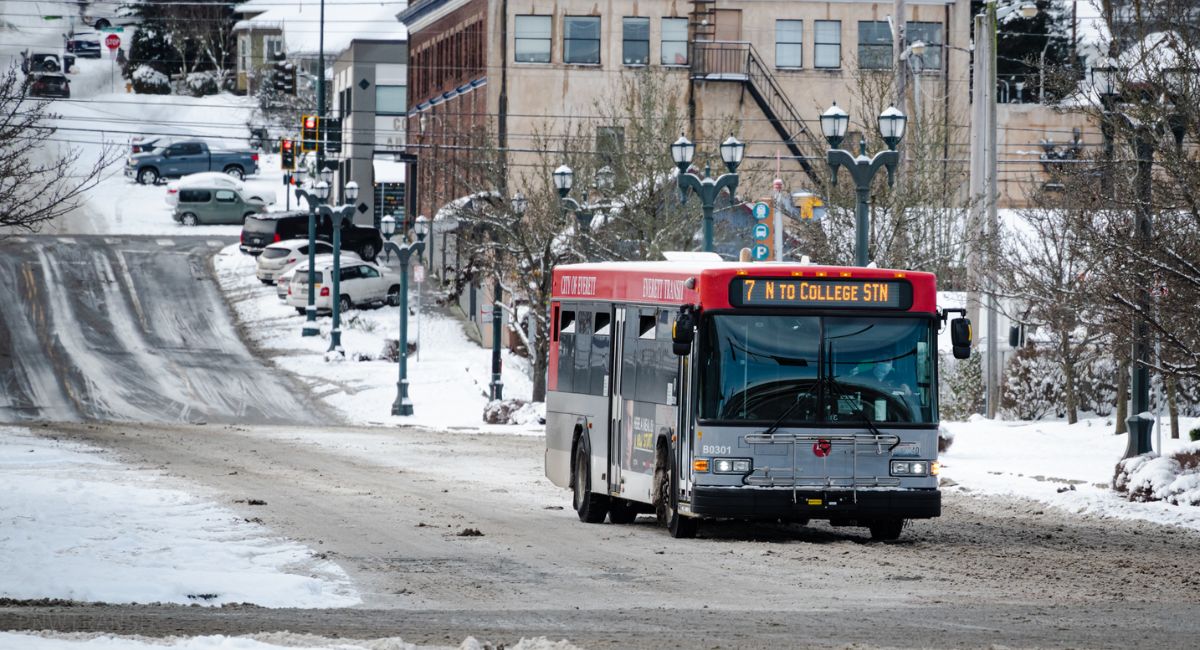
If you’ve just relocated to Everett, Washington, and you’re wondering what winter actually looks like here — you’re not alone. New residents from sunnier or snowier climates are often caught off guard by Everett’s particular brand of Pacific Northwest winter: relentlessly grey, persistently wet, and occasionally icy in ways that shut everything down.
The good news? With a little preparation, you can settle in comfortably and even enjoy what the season has to offer. This guide covers everything a first-time Everett winter resident needs to know, from what the weather is actually like to indoor activities that’ll keep you sane when the rain just won’t quit.
Typical Winter Weather in Everett, WA
Before you start buying snow boots or stocking up on de-icing salt, it helps to understand what Everett winters actually involve.
Everett falls under a sub-oceanic climate (Köppen classification Csb), meaning winters are mild but reliably wet. The city sits about 25 miles north of Seattle, along the Puget Sound, which keeps temperatures from dropping to the extremes you’d expect further inland.
Average Winter Temperatures
| Month | Average Low | Average High | Average Rainfall |
| November | 35°F (2°C) | 48°F (9°C) | ~4.9 inches |
| December | 34°F (1°C) | 44°F (7°C) | ~4.0 inches |
| January | 33°F (1°C) | 44°F (7°C) | ~3.8 inches |
| February | 34°F (1°C) | 47°F (8°C) | ~3.2 inches |
What that table doesn’t quite capture is the consistency of the grey. Cloud cover reaches its annual high in December, and humidity levels hover around 85% through the winter months. Temperatures rarely plunge below freezing for extended periods, but cold snaps do happen — occasionally dipping to the mid-20s°F during Arctic outflows from Canada.
Does It Snow in Everett?
Snow is possible but not predictable. On average, Everett sees about 7 inches of snow per year, but it tends to come in sporadic bursts rather than steady accumulation.
When snow does fall, even a couple of inches can snarl traffic significantly — the hilly terrain and limited snowplow resources mean the city isn’t as prepared for snow as, say, Minneapolis. Ice on roads is the bigger concern, often forming overnight when temperatures briefly drop.
The bottom line: Expect a lot of rain, occasional fog, rare snow, and temperatures that are cold but rarely brutal.
Essential Preparations Before Winter Hits
Don’t wait until November to get your home and daily life sorted. Here’s what experienced Everett residents recommend tackling early.
1. Weatherproof Your Home
The dampness is the real challenge. Everett’s wet winters create conditions where moisture seeps into homes, especially older ones, leading to mildew, condensation on windows, and drafts.
- Inspect your attic and crawl space for existing moisture damage or inadequate insulation
- Check window seals and weatherstripping — gaps let in cold air and increase your heating bill
- Run a dehumidifier in basement or lower-level spaces prone to collecting moisture
- Clean gutters before the rains start — clogged gutters overflow and push water against your foundation
- Test your furnace or heat pump in September rather than waiting for the first cold snap
2. Stock an Emergency Kit
The City of Everett and Snohomish County Public Works recommend keeping 14 days’ worth of food and water on hand during winter. This isn’t alarmist — winter storms occasionally knock out power in the area, and ice events can make roads impassable for a day or two.
A solid winter emergency kit includes:
- Bottled water (one gallon per person per day)
- Non-perishable food and a manual can opener
- Flashlights and backup batteries or a hand-crank lantern
- Battery-powered or hand-crank weather radio
- Extra blankets and warm layers
- First aid kit and any necessary medications (at least a 2-week supply)
- Phone charging bank
3. Prep Your Vehicle for Pacific Northwest Conditions
Driving in Everett’s winter is less about blizzards and more about wet roads, low visibility, and the occasional ice patch. Here’s what to do before winter arrives:
- Switch to all-season or winter tires if your current set is worn
- Keep your gas tank above half-full during cold stretches to prevent fuel line issues
- Check your windshield wipers — Pacific Northwest winters burn through wiper blades fast
- Carry a basic car emergency kit: ice scraper, jumper cables, road flares, and a warm blanket
- Increase following distance on wet or icy roads — stopping distances are longer than you expect
When snow or ice is in the forecast, give snowplows extra room. Clear your car of snow before driving — wet Everett snow is heavy and can fly off your roof onto other drivers.
4. Build Your Winter Wardrobe (It’s Not What You Think)
People who move here from snowy climates often overbuy heavy parkas. That’s not quite what you need. Everett winters call for layering and waterproofing more than pure insulation.
| What You Need | Why |
| Quality waterproof rain jacket | Rain is constant; a good jacket earns its keep daily |
| Waterproof boots | Puddles and wet sidewalks are everywhere |
| Moisture-wicking base layers | Damp cold is worse than dry cold |
| Fleece mid-layer | Versatile warmth for layering |
| Warm hat and gloves | For cold snaps and morning commutes |
| Umbrella (compact) | For days when the jacket isn’t enough |
Local tip: Locals often skip the umbrella and lean on hoods — but as a newcomer, having one for the first winter isn’t a bad call.
5. Protect Your Pipes
During cold snaps, frozen pipes can burst and cause significant water damage. Take these steps early:
- Insulate exposed pipes in unheated areas like garages and crawl spaces
- Know where your main water shutoff valve is
- Let faucets drip slightly during hard freezes
- Keep cabinet doors under sinks open to allow warm air circulation
Staying Active Indoors Through the Everett Winter
One of the harder adjustments for new Everett residents is the mental weight of months of grey skies and rain. Locals call it the “Everett drizzle” and have largely made peace with it — but newcomers sometimes struggle with motivation and mood. Having a solid rotation of indoor activities makes a real difference.
Arts and Culture
- Schack Art Center — One of downtown Everett’s hidden gems, the Schack offers free admission to exhibitions, glassblowing demonstrations, and workshops throughout the winter. Winter also brings their popular Holiday Exhibition featuring local artists.
- Imagine Children’s Museum — Perfect for families, with three floors of hands-on exhibits that can fill a rainy afternoon with ease.
- Historic Everett Theatre — Catch live music, comedy shows, film festivals, and even silent movie classics at this century-old performing arts venue.
- Museum of Flight Restoration Center (Paine Field) — A fascinating guided tour of aircraft restoration that’s genuinely interesting for all ages.
Active Fun Indoors
- Ice skating at Angel of the Winds Arena — Public skate sessions run most days of the week. Rental skates are available, and the vibe is relaxed and family-friendly.
- Flying Squirrel Trampoline Park — A high-energy option when cabin fever kicks in, with trampolines and activities for kids and adults alike.
- Rock climbing gyms — Several gyms in the area offer bouldering and top-rope climbing, great for building winter fitness.
Community Events Worth Knowing About
Everett has a lively winter calendar that new residents often don’t know about:
- Wintertide Everett — A season-long event series featuring ice skating, holiday markets, and festive community gatherings
- Downtown Cookie Crawl — A beloved seasonal tradition where participating downtown businesses hand out holiday cookies
- Holiday Lights Bike Ride — Organized by Sharing Wheels, this family-friendly evening ride tours Everett’s decorated streets
- Lights of Christmas at Warm Beach — Just north of Everett, near Stanwood, this is one of the most spectacular holiday light displays in the Pacific Northwest
Embracing the Local Coffee Culture
There’s a reason the Pacific Northwest has more coffee shops per capita than almost anywhere in the country — it’s coping strategy and community hub combined. Finding your regular coffee shop is genuinely one of the best things you can do for your winter mental health. Downtown Everett has a strong independent café scene worth exploring.
Final Thoughts
Preparing for your first Everett winter doesn’t require a major lifestyle overhaul — it requires the right mindset and the right gear. The rain will fall, the skies will stay grey for weeks at a stretch, and you’ll eventually learn to love a good waterproof jacket the way locals do.
Weatherproof your home early, keep an emergency kit stocked, set your vehicle up for wet-road driving, and find your indoor anchors — whether that’s a climbing gym, a museum membership, or a standing Friday night at the Historic Everett Theatre. The residents who thrive here in winter are the ones who stop fighting the weather and start planning around it.
Everett is a city with genuine character, a strong sense of community, and enough indoor life to carry you comfortably through even the longest, rainiest stretch of February. Welcome to the Pacific Northwest — you’ve got this.
FAQs
How cold does it get in Everett in winter?
Everett winters are mild, with average lows around 33–35°F (1–2°C). Temperatures occasionally dip into the mid-20s°F during Arctic air events, but prolonged hard freezes are rare.
Does Everett get a lot of snow?
Not much. Everett averages about 7 inches of snow per year, typically in brief events rather than sustained accumulation. Ice is a more frequent hazard than deep snow.
What should I wear in Everett winter?
Prioritize a waterproof rain jacket, waterproof boots, and moisture-wicking layers over a heavy winter parka — Everett’s cold is damp, not deep.
How do I prevent mildew in my Everett home during winter?
Run a dehumidifier in moisture-prone areas, ensure good ventilation, and inspect window seals and weatherstripping before the rainy season starts.
Are roads dangerous in Everett winter?
Wet roads are normal; icy roads during cold snaps are the real hazard. Keep extra following distance, and check road conditions before driving when temperatures drop near freezing.
Read More Blogs: Infozcelebritys.com

I’m Muhammad Zeeshan – a guest posting and content writing expert with 4 years of experience.