
The second season of The White Lotus takes viewers on a visually stunning yet psychologically intense journey through Sicily, Italy. Created by Mike White, the series builds on the success of its first season by diving deeper into themes of desire, deception, power, and privilege.
Set against the breathtaking backdrop of Taormina, the show combines dark comedy with emotional complexity, creating a narrative that is both entertaining and unsettling.
From the very first episode, audiences are introduced to a mystery involving multiple deaths, instantly raising tension and curiosity. As the story unfolds, each character reveals hidden motives, personal struggles, and moral contradictions.
This season doesn’t just tell a story—it dissects human behavior in an environment where wealth and luxury amplify flaws rather than hide them.
In this comprehensive breakdown, we’ll explore the plot, characters, symbolism, themes, and shocking ending of The White Lotus Season 2, while also analyzing why it became one of the most talked-about shows in recent television history.
- Also Read: Hailey Welch Net Worth
Overview of The White Lotus Season 2
Season 2 shifts its setting from Hawaii to Sicily, offering a fresh narrative while maintaining the show’s signature style. The luxurious resort becomes a microcosm of society, where relationships are tested and truths are exposed.
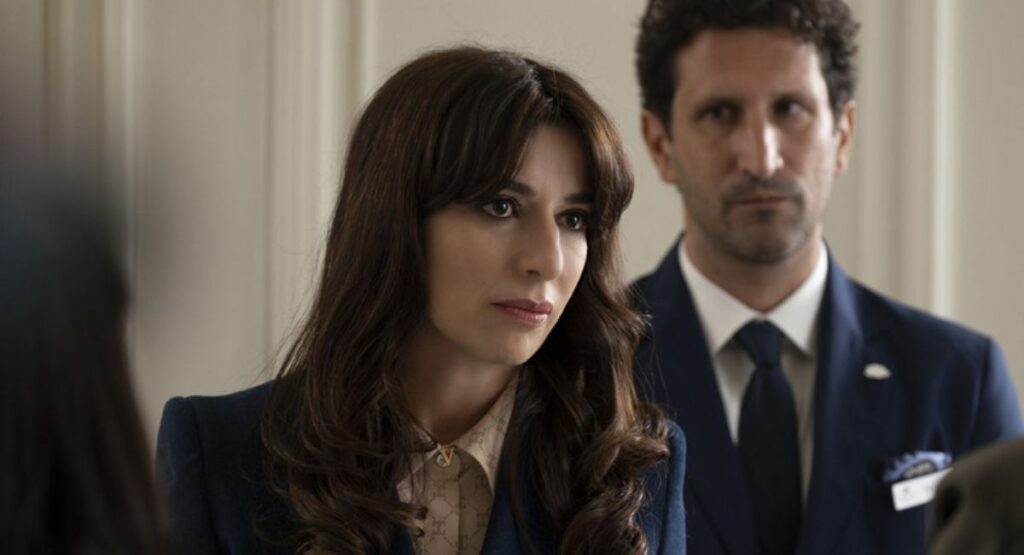
The story spans one week and follows multiple groups of guests whose lives intersect in unexpected ways.
Unlike the first season, which focused heavily on class and colonialism, this installment leans into themes of sexual politics, emotional manipulation, and the illusion of happiness.
At its core, the show asks a simple yet powerful question:
Can money and privilege truly bring fulfillment, or do they only deepen emotional emptiness?
Main Cast and Characters
One of the biggest strengths of The White Lotus Season 2 is its ensemble cast. Each character is layered, flawed, and deeply human.
Tanya McQuoid (Jennifer Coolidge)
Jennifer Coolidge returns as Tanya, the fan-favorite character from Season 1. Wealthy yet emotionally fragile, Tanya arrives in Sicily seeking stability with her husband Greg. However, her journey takes a dark and tragic turn.
- Age (in show context): Mid-50s
- Estimated Net Worth (character): Over $500 million (fictional narrative)
Tanya represents loneliness masked by wealth. Her storyline blends humor with heartbreak, making her one of the most memorable characters in the series.
Ethan and Harper Spiller
- Will Sharpe as Ethan
- Aubrey Plaza as Harper
Ethan is a newly wealthy tech entrepreneur, while Harper is sharp, skeptical, and emotionally distant. Their marriage is strained, revealing issues of trust and communication.
Their dynamic explores how sudden wealth can destabilize relationships rather than strengthen them.
Cameron and Daphne Sullivan
- Theo James as Cameron
- Meghann Fahy as Daphne
Cameron and Daphne appear to have the perfect marriage, but beneath their cheerful exterior lies a complex web of infidelity and denial.
Daphne, in particular, emerges as one of the most intriguing characters—someone who understands the truth but chooses to live comfortably within illusions.
The Di Grasso Family
- Michael Imperioli as Dominic
- F. Murray Abraham as Bert
- Adam DiMarco as Albie
This three-generation family explores themes of masculinity, generational trauma, and romantic idealism. Each man represents a different perspective on love and relationships.
Lucia and Mia
- Simona Tabasco as Lucia
- Beatrice Grannò as Mia
These local Sicilian women navigate the world of wealthy tourists through ambition and survival instincts. Their storyline highlights the power imbalance between locals and affluent visitors.
Key Themes in Season 2
1. Desire and Infidelity
Every major character in the series is influenced by desire. Whether it’s emotional, physical, or financial, desire drives decisions and leads to consequences.
- Ethan struggles with temptation
- Harper questions loyalty
- Cameron openly embraces infidelity
- Tanya seeks emotional validation
The show suggests that desire is both natural and destructive, depending on how it is handled.
2. Power and Privilege
The contrast between wealthy guests and local workers is a recurring theme. While guests indulge in luxury, locals often navigate survival.
Lucia and Mia’s storyline is particularly important, as it shows how power can be manipulated from both sides.
3. Gender Dynamics
Season 2 explores how men and women navigate relationships differently. Women in the series often display emotional intelligence and adaptability, while men struggle with ego and control.
Harper represents modern skepticism, Daphne symbolizes emotional resilience, and Tanya embodies vulnerability.
4. Illusion vs Reality
One of the strongest themes is the idea that people choose illusions over truth.
- Marriages survive through denial
- Relationships are built on half-truths
- Happiness is often performative
The show argues that people don’t always want honesty—they want comfort.
Symbolism in The White Lotus Season 2
Symbolism plays a crucial role in enhancing the narrative.
Testa di Moro (Moor’s Head)
These decorative ceramic heads appear throughout the show. According to Sicilian legend, they represent a story of love, betrayal, and murder.
The symbolism directly reflects the show’s themes of jealousy and fatal consequences.
Water and the Sea
The ocean is both beautiful and dangerous. It symbolizes:
- Hidden truths
- Emotional depth
- Imminent danger
The opening scene, featuring a dead body in the sea, sets the tone for the entire season.
Mirrors and Reflections
Mirrors are used to highlight self-deception. Characters often see distorted versions of themselves, reinforcing the theme of illusion.
Episode Breakdown and Story Progression
Beginning: Arrival and Setup
The season begins with guests arriving at the luxurious resort. Everything appears perfect, but subtle tensions are introduced early.
Middle: Rising Conflict
As the week progresses:
- Relationships begin to crack
- Secrets are revealed
- Suspicion grows
This is where the show builds psychological tension.
Final Episodes: Chaos and Consequences
The finale ties together all storylines, revealing the identity of the deceased and delivering emotional closure—though not necessarily justice.
The Ending Explained
The biggest reveal is the death of Tanya McQuoid. Her storyline ends in a chaotic and tragic sequence.
While trying to escape a dangerous situation, Tanya accidentally causes her own death. This moment is both shocking and symbolic.
What Tanya’s Death Represents
- Wealth cannot protect from fear
- Emotional instability can be fatal
- Life’s unpredictability affects everyone
Her ending is ironic—despite all her resources, she couldn’t save herself.
What Happened to Other Characters?
Ethan and Harper
Their relationship is seemingly repaired, but it’s built on ambiguity and possible deception.
Cameron and Daphne
They continue their marriage unchanged, suggesting that acceptance of flaws can sometimes sustain relationships.
Lucia and Mia
They emerge as winners, having successfully navigated the power dynamics of the resort.
Critical Reception and Popularity
The White Lotus Season 2 received widespread acclaim.
- Critics praised its storytelling and performances
- Fans loved its unpredictable narrative
- It maintained a high rating across review platforms
Rotten Tomatoes reported a strong approval rating, highlighting the show’s consistency and quality.
Performances by Jennifer Coolidge and Aubrey Plaza were especially celebrated for their depth and authenticity.
Why The White Lotus Season 2 Stands Out
Several factors make this season exceptional:
- Strong character development
- Complex themes
- Stunning cinematography
- Unique storytelling approach
Unlike traditional dramas, the show doesn’t rely on clear heroes or villains. Instead, it presents morally gray characters, making it more realistic and engaging.
Cultural Impact and Legacy
The show has influenced modern television by proving that audiences appreciate slow-burn storytelling with deep psychological layers.
It has also sparked discussions about:
- Wealth inequality
- Relationship dynamics
- Emotional vulnerability
The White Lotus continues to be a benchmark for high-quality storytelling in the streaming era.
Final Thoughts on Season 2
Season 2 of The White Lotus is more than just a TV show—it’s a reflection of modern society. It exposes the fragility of human relationships and the emptiness that often accompanies wealth.
Through its characters and storytelling, the series challenges viewers to question their own values and perceptions.
Conclusion
The White Lotus Season 2 delivers a masterful blend of satire, drama, and psychological insight. Set in the enchanting yet dangerous landscape of Sicily, the series captures the complexities of human desire, power, and emotional vulnerability. Each character’s journey reveals how wealth and privilege can amplify flaws rather than resolve them, making the narrative both relatable and unsettling.
Ultimately, the season leaves viewers with a lingering question: Is happiness real, or is it just another illusion we choose to believe in? By refusing to provide simple answers, the show ensures its impact lasts long after the final episode ends. It is this ambiguity, combined with powerful performances and layered storytelling, that cements The White Lotus as one of the most compelling television series of its time.
FAQs
What is The White Lotus Season 2 mainly about?
The second season focuses on relationships, desire, and privilege among wealthy guests at a luxury resort in Sicily. It explores how hidden secrets and emotional struggles unfold during a seemingly perfect vacation.
Who dies in The White Lotus Season 2?
Tanya McQuoid is the central character who dies in the finale. Her death is both tragic and symbolic, reflecting the show’s themes of fear, illusion, and vulnerability.
Why is Sicily important in the show?
Sicily adds depth through its culture, history, and symbolism. Elements like the Moor’s Head statues and the sea reinforce themes of betrayal, passion, and danger.
What makes Season 2 different from Season 1?
While Season 1 focused on class and colonialism, Season 2 emphasizes relationships, infidelity, and emotional complexity, making it more personal and character-driven.
Is The White Lotus based on real events?
No, the show is fictional. However, its themes and characters are inspired by real-world behaviors and social dynamics, making it feel realistic and relatable.

I’m Muhammad Zeeshan – a guest posting and content writing expert with 4 years of experience.